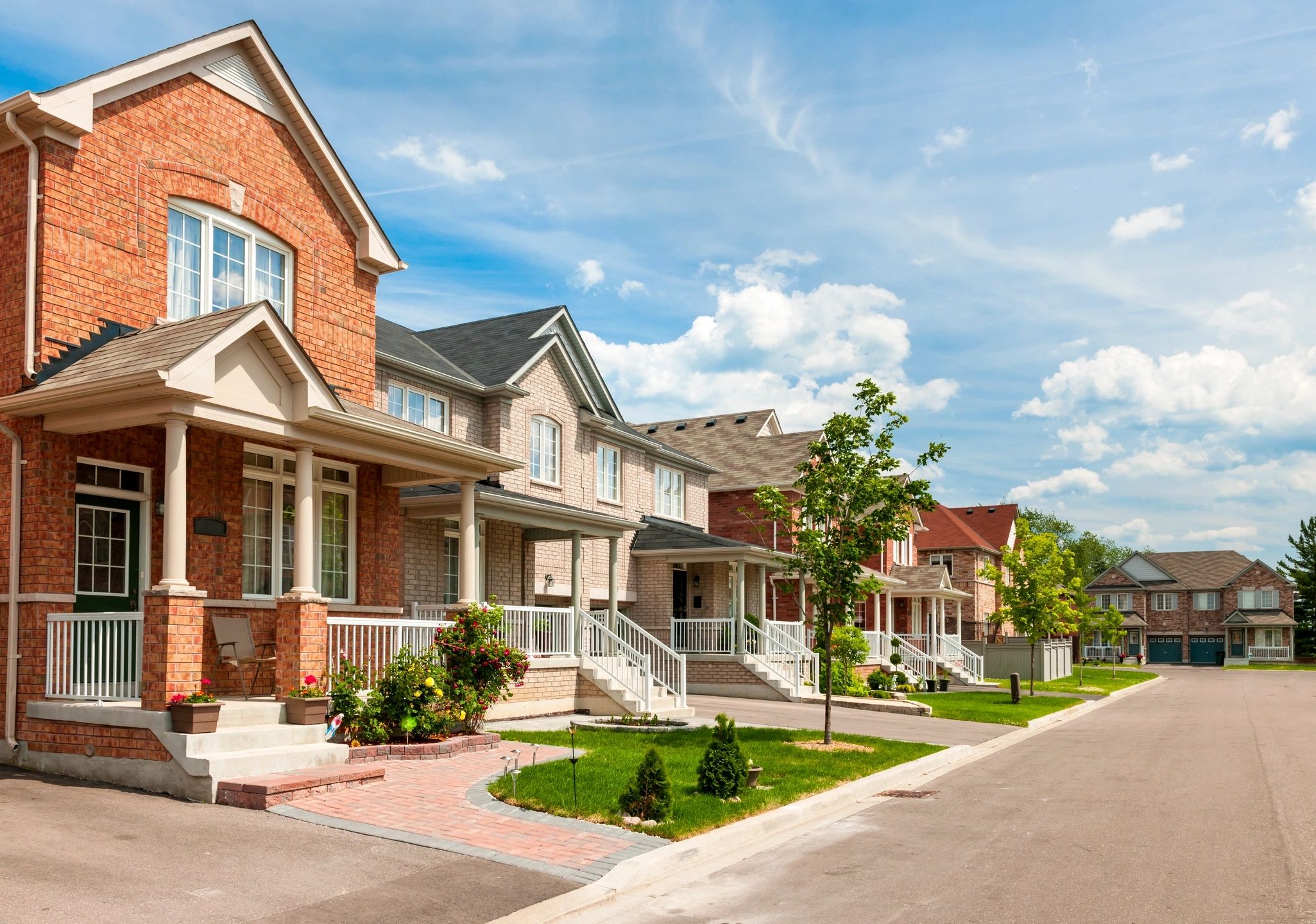
Structural safety concerns involve the parts of a home that support weight, resist movement, and maintain overall stability. While structural components are often hidden behind walls, floors, and finishes, they are critical to occupant safety. When structural issues are ignored or misunderstood, they can lead to serious hazards, expensive repairs, and loss of property value.
Structural systems include foundations, load-bearing walls, beams, columns, floors, roofs, decks, stairs, and framing connections. These components work together to support the home and transfer loads safely to the ground. Damage or weakness in any part of the structural system can affect the entire structure.
Foundations are a common source of structural concern. Cracks, settlement, heaving, or moisture intrusion may indicate shifting soils or drainage problems. While some minor cracking is normal, widening cracks, uneven floors, or doors that no longer close properly can signal deeper structural movement that requires evaluation.
Framing issues can develop due to age, moisture exposure, insect damage, or improper construction. Rotting wood, termite damage, and weakened framing reduce load capacity and compromise safety. These issues often occur in basements, crawl spaces, attics, and exterior walls where moisture exposure is more likely.
Roof structures must support not only roofing materials but also snow loads, wind forces, and environmental stress. Sagging rooflines, cracked rafters, or deteriorated trusses can indicate structural strain. Ignoring roof framing problems increases the risk of collapse and water intrusion.
Decks and balconies present elevated structural risks. Improperly secured posts, corroded fasteners, rotted ledger boards, or undersized supports can fail suddenly. Many deck failures occur without warning due to hidden deterioration. Regular inspection and maintenance are essential for preventing injuries.
Stairs and railings also involve structural safety. Loose steps, inadequate stringer support, or unstable handrails increase fall risk. These components must withstand repeated use and dynamic loads. Structural deficiencies in stairs are both safety hazards and code violations.
Water is one of the most damaging factors affecting structural safety. Chronic moisture weakens materials, promotes rot, and accelerates corrosion. Poor drainage, plumbing leaks, and roof failures all contribute to long-term structural damage.
Structural modifications without proper planning can introduce risks. Removing walls, altering framing, or adding loads without engineering assessment may compromise load paths. Structural changes should always be evaluated professionally.
Early detection is key. Warning signs include cracks that grow over time, sloping floors, visible sagging, or unusual noises. Addressing concerns early reduces repair scope and cost.
Structural safety is foundational to home ownership. Maintaining structural integrity protects occupants, preserves value, and ensures long-term stability.
Related Guides: