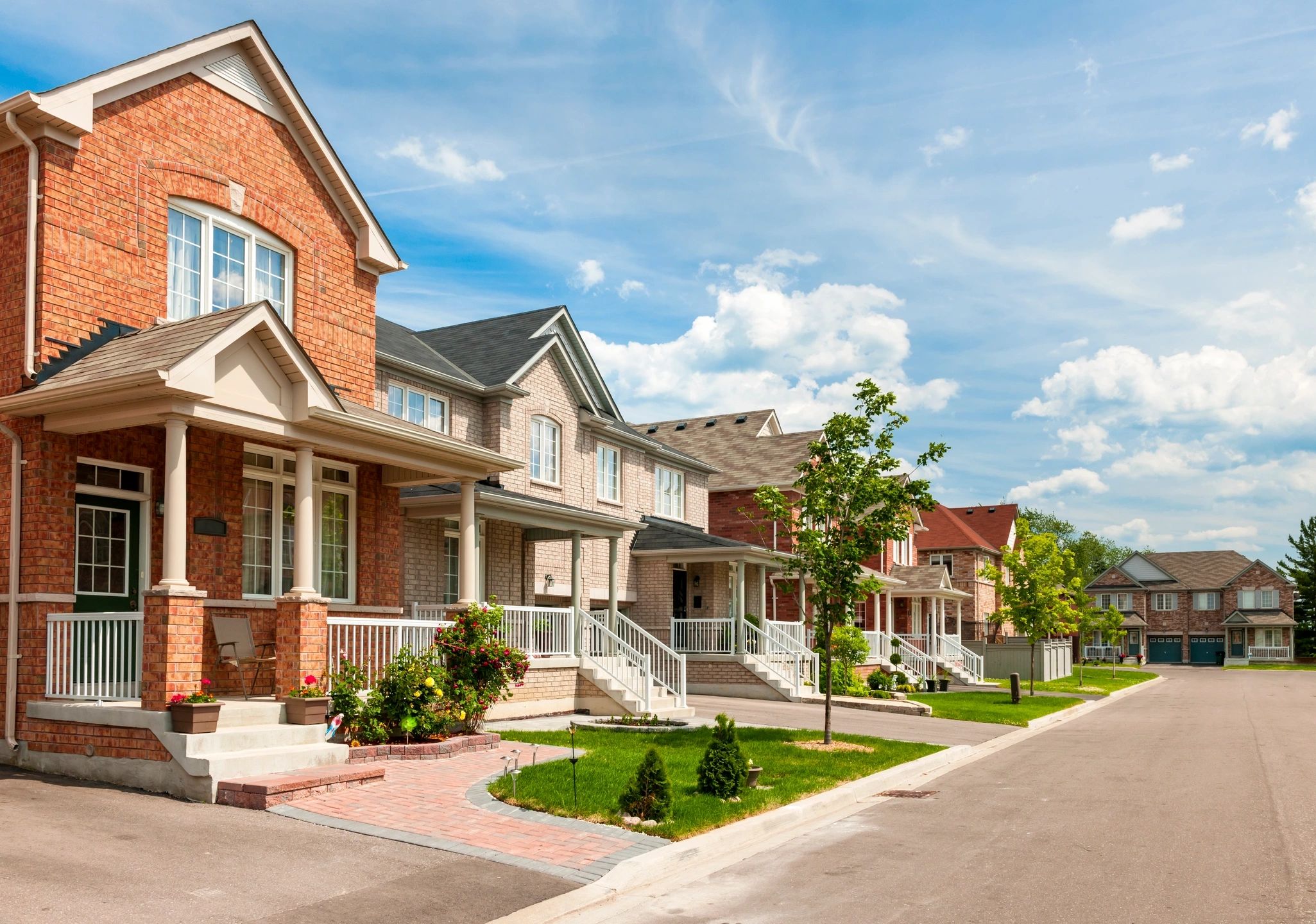
Fall is one of the most important seasons for home maintenance. Preparing your home before winter weather arrives helps prevent damage from cold temperatures, snow, and ice. Completing fall maintenance tasks early gives homeowners time to address issues before they become emergencies.
This fall home maintenance checklist covers key inspections and tasks homeowners should complete to protect their home as temperatures drop.
Inspect the Roof and Gutters
Fall is the final opportunity to inspect the roof before winter weather. Leaves and debris can hide damage and clog gutters, increasing the risk of ice dams and leaks.
Fall roof and gutter tasks include:
- Checking for missing or damaged shingles
- Inspecting flashing around vents and chimneys
- Cleaning gutters and downspouts
- Ensuring water flows away from the foundation
Clear gutters reduce the risk of water damage during winter storms.
Seal Windows and Doors
Cold air infiltration increases heating costs and creates drafts during winter. Fall is the ideal time to inspect and seal windows and doors.
Check for:
- Cracked or missing caulk
- Worn weatherstripping
- Drafts around frames
Proper sealing improves comfort and energy efficiency during colder months.
Service Heating Systems
Before heating systems are used heavily, fall maintenance ensures safe and reliable operation.
Heating system tasks include:
- Replacing HVAC air filters
- Testing heating operation
- Scheduling professional maintenance if needed
- Checking vents for obstructions
Early service helps prevent breakdowns during winter cold spells.
Inspect Chimneys and Fireplaces
Fireplaces and chimneys should be inspected before use. Creosote buildup, blockages, or damage can create fire hazards.
Fall fireplace maintenance may include:
- Inspecting chimney caps
- Checking for visible damage
- Scheduling professional cleaning if needed
Safe operation is essential before lighting the first fire of the season.
Check Plumbing and Outdoor Faucets
Freezing temperatures can damage plumbing. Fall is the time to prepare water systems for cold weather.
Tasks include:
- Disconnecting garden hoses
- Shutting off and draining outdoor faucets
- Insulating exposed pipes
- Checking for leaks
Winterizing plumbing helps prevent frozen pipes and water damage.
Inspect Attic and Insulation
Adequate insulation and ventilation help maintain indoor comfort and prevent ice dams.
Fall attic checks include:
- Looking for insulation gaps
- Checking for moisture or mold
- Ensuring vents are clear
Addressing attic issues helps control heating costs and protects roofing.
Test Safety Devices
Heating systems increase fire and carbon monoxide risks during winter.
Fall safety checks should include:
- Testing smoke detectors
- Testing carbon monoxide detectors
- Replacing batteries
- Reviewing emergency plans
Safety devices should be fully functional before winter begins.
Clean and Store Outdoor Equipment
Fall is the time to prepare outdoor equipment for winter storage.
Tasks may include:
- Cleaning lawn tools
- Storing patio furniture
- Securing grills and outdoor décor
Proper storage extends equipment lifespan and reduces winter damage.
Inspect Driveways, Walkways, and Steps
Cracks and uneven surfaces become more hazardous when snow and ice are present.
Fall maintenance should include:
- Repairing cracks
- Checking handrails
- Ensuring proper drainage
Addressing hazards improves safety during icy conditions.
Manage Landscaping and Yard Drainage
Falling leaves and plant debris can trap moisture near the home.
Fall landscaping tasks include:
- Raking leaves away from foundations
- Trimming dead branches
- Checking drainage paths
Proper yard maintenance reduces moisture and pest issues.
Review Winter Supplies and Emergency Preparedness
Fall is a good time to prepare for winter emergencies.
Preparation may include:
- Inspecting snow removal equipment
- Checking backup lighting
- Reviewing emergency kits
Early preparation reduces stress during severe weather.
Final Thoughts
Fall home maintenance is about preparation. Completing these tasks before winter weather arrives helps protect your home, reduce heating costs, and prevent emergency repairs.
Consistent fall maintenance sets the stage for a safer, more comfortable winter season.