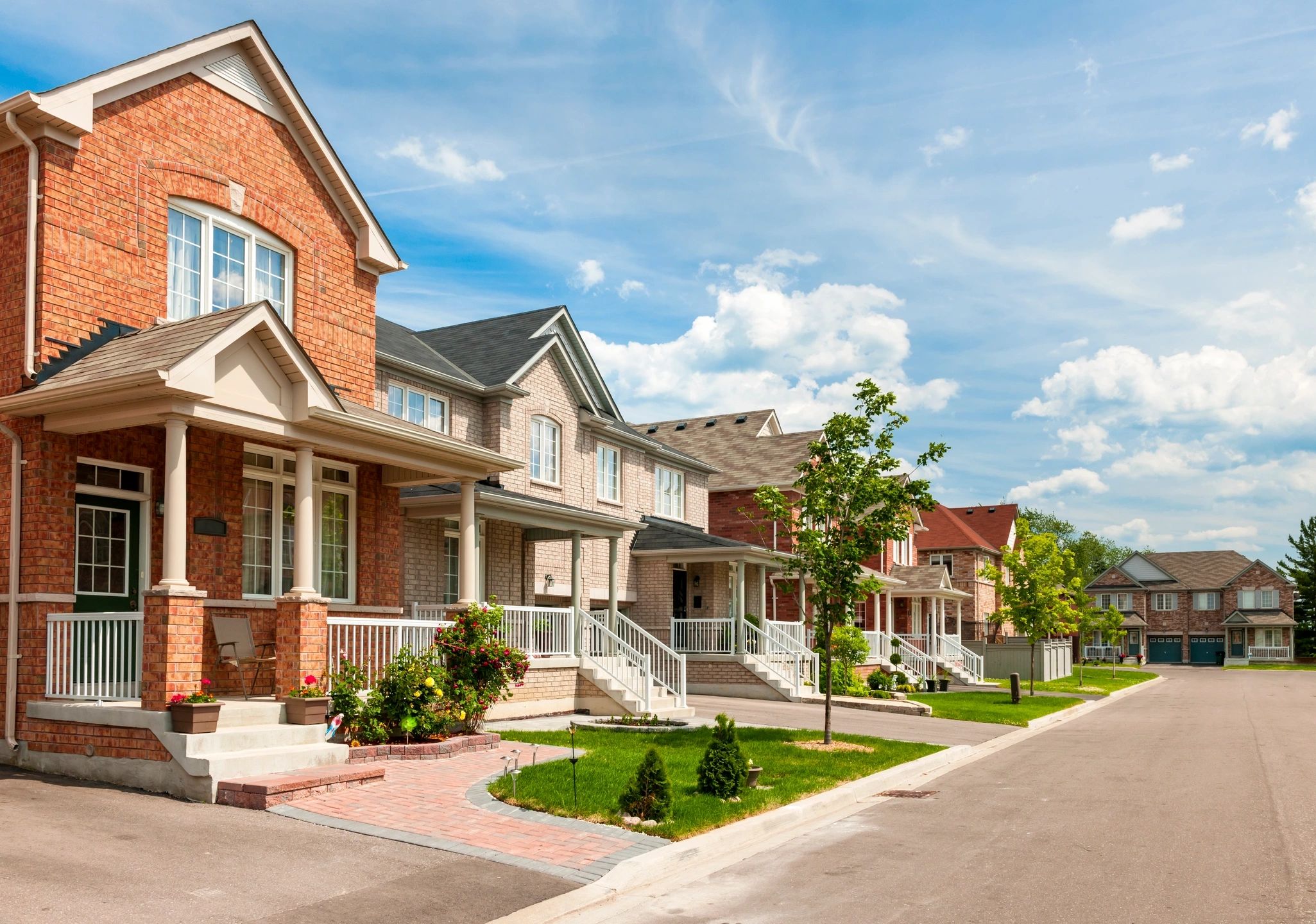
Becoming a first-time homeowner is exciting, but it also comes with new responsibilities. Unlike renting, owning a home means being responsible for maintenance, repairs, and long-term care. Many first-time homeowners are unsure where to start, which tasks matter most, and how often maintenance should be done.
A first-time homeowner maintenance checklist provides a clear starting point. It focuses on understanding the home, learning routine upkeep, and preventing common beginner mistakes that can lead to costly repairs.
Why Maintenance Matters More for First-Time Homeowners
First-time homeowners are often unfamiliar with how quickly small issues can escalate. Minor leaks, clogged filters, or drainage problems may seem harmless at first but can cause significant damage if ignored.
A structured checklist helps first-time homeowners:
- Learn how their home systems work
- Identify early warning signs
- Build consistent maintenance habits
- Avoid unexpected repair costs
- Protect their investment
Maintenance knowledge builds confidence and reduces stress over time.
Learn the Basics of Your Home
Before performing any maintenance tasks, first-time homeowners should take time to understand their home’s layout and systems.
Important steps include:
- Locating the main water shutoff
- Identifying the electrical panel and breakers
- Knowing where HVAC filters are located
- Understanding how appliances connect to water and power
Knowing where these components are located makes routine maintenance and emergency response much easier.
Start With Monthly Maintenance Habits
Monthly maintenance helps first-time homeowners develop consistency.
Key monthly tasks include:
- Checking HVAC air filters
- Inspecting under sinks for leaks
- Testing smoke and carbon monoxide detectors
- Watching for unusual noises or odors
- Monitoring energy and water usage
These quick tasks help homeowners become familiar with normal conditions and spot changes early.
Focus on Water and Moisture Control
Water damage is one of the most common and costly problems for new homeowners.
First-time homeowners should prioritize:
- Checking plumbing connections regularly
- Monitoring bathrooms and kitchens for moisture
- Cleaning gutters and downspouts
- Watching for condensation or musty odors
Early moisture control prevents mold, structural damage, and expensive repairs.
HVAC and Airflow Basics
Heating and cooling systems are critical to comfort and efficiency.
Maintenance tasks include:
- Replacing air filters on schedule
- Keeping vents open and unobstructed
- Clearing debris from outdoor units
- Scheduling professional inspections when needed
First-time homeowners should pay attention to comfort changes and energy bills, as they often signal HVAC issues.
Exterior Walk-Around Inspections
Exterior maintenance helps prevent problems from entering the home.
A simple walk-around inspection includes:
- Checking the roof and siding for visible damage
- Inspecting gutters for debris
- Watching for soil erosion near the foundation
- Making sure vents and openings are clear
Exterior issues often lead to interior damage if ignored.
Appliance Awareness
Appliances are often taken for granted until they fail.
First-time homeowners should:
- Learn how appliances are vented
- Check hoses and connections
- Clean dryer vents and lint traps
- Watch for leaks or unusual noises
Appliance maintenance improves safety and extends lifespan.
Safety Device Maintenance
Safety devices should be tested regularly.
Checklist items include:
- Testing smoke detectors monthly
- Testing carbon monoxide detectors
- Replacing batteries as needed
- Ensuring fire extinguishers are accessible
First-time homeowners should confirm devices are installed in proper locations.
Know When to Call a Professional
DIY maintenance is valuable, but some tasks require professional expertise.
First-time homeowners should call professionals for:
- Electrical issues
- Gas-related systems
- Major plumbing problems
- Structural concerns
Knowing when to seek help prevents mistakes and safety risks.
Build a Maintenance Record System
Tracking maintenance is especially helpful for new homeowners.
Records should include:
- Dates of inspections
- Filter replacement schedules
- Repairs and professional service
- Appliance warranties and manuals
Good records simplify future maintenance and support resale documentation.
Avoid Common First-Time Homeowner Mistakes
Common mistakes include:
- Ignoring small issues
- Delaying maintenance to save money
- Overestimating DIY abilities
- Forgetting exterior inspections
A checklist helps prevent these errors.
Set Realistic Maintenance Expectations
Homes require ongoing care. First-time homeowners should expect:
- Regular small tasks
- Occasional professional service
- Periodic repairs
Understanding this upfront reduces frustration and helps with budgeting.
Final Thoughts
A first-time homeowner maintenance checklist provides guidance during one of the biggest transitions in home ownership. By learning system basics, performing routine upkeep, and responding early to issues, new homeowners can avoid costly mistakes and build confidence in caring for their home.
Maintenance is a skill that improves with time, consistency, and awareness.