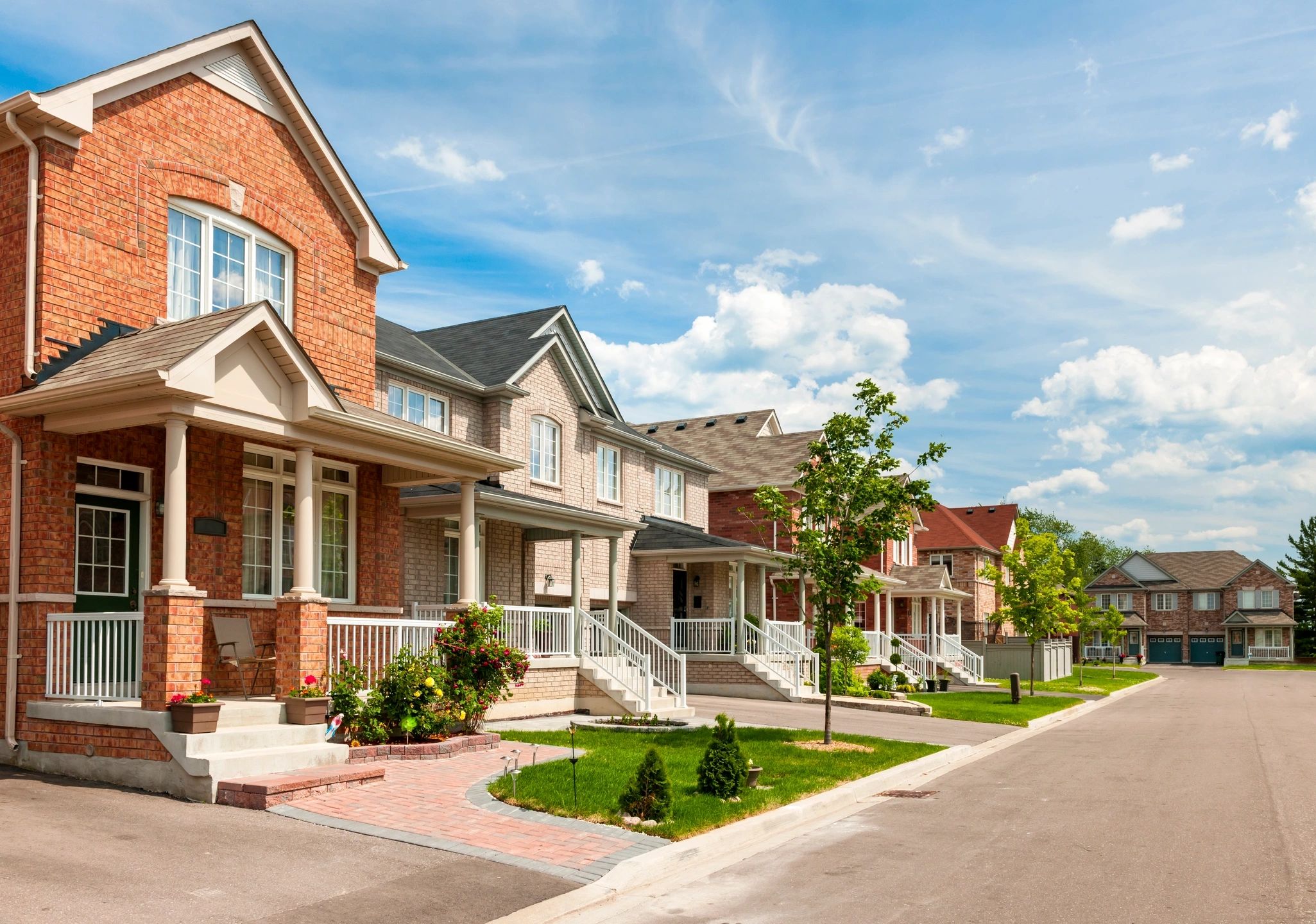
Older homes often require a different maintenance approach than newer construction. Aging materials, outdated systems, and years of wear make routine upkeep especially important. A home maintenance schedule for older homes helps homeowners prioritize inspections, prevent failures, and extend the life of original components.
This schedule focuses on proactive monitoring, preventive care, and realistic planning for homes that are several decades old or more.
Why Older Homes Need a Specialized Maintenance Schedule
Older homes were built using materials, techniques, and standards that may differ significantly from modern construction. While many older homes are well-built, time naturally affects plumbing, electrical systems, roofing, insulation, and structural components.
A maintenance schedule tailored to older homes helps homeowners:
- Identify age-related wear early
- Prevent system failures
- Address outdated components safely
- Plan upgrades gradually
- Protect historic or original features
Routine maintenance becomes more important as homes age.
Monthly Maintenance Priorities for Older Homes
Monthly maintenance focuses on observation and early detection.
Monthly tasks include:
- Inspecting under sinks and around fixtures for leaks
- Watching for changes in water pressure
- Listening for unusual sounds from plumbing or HVAC systems
- Checking walls and ceilings for stains or cracks
- Monitoring humidity levels
Small changes often signal larger issues in older homes.
Plumbing System Maintenance for Older Homes
Plumbing systems in older homes may include aging pipes made from materials no longer commonly used.
Plumbing-focused maintenance includes:
- Inspecting exposed pipes for corrosion
- Watching for discoloration or moisture
- Monitoring drain performance
- Checking shutoff valves for proper operation
Older plumbing systems benefit from regular professional inspections.
Electrical System Monitoring
Electrical systems in older homes may not meet modern capacity demands.
Electrical maintenance tasks include:
- Watching for flickering lights
- Checking outlets for warmth or buzzing
- Monitoring breaker behavior
- Ensuring electrical panels remain accessible
Outdated wiring should always be evaluated by a licensed electrician.
HVAC and Heating Considerations
Older homes may have:
- Aging furnaces or boilers
- Limited ductwork
- Inconsistent airflow
Maintenance tasks include:
- Replacing filters regularly
- Monitoring heating and cooling performance
- Scheduling annual professional inspections
- Watching for uneven temperatures
Efficiency improvements may be gradual but valuable.
Roof, Exterior, and Structural Monitoring
Exterior systems protect older homes from moisture and weather damage.
Maintenance tasks include:
- Inspecting roofing materials for wear
- Checking flashing and sealants
- Watching for foundation cracks
- Monitoring grading and drainage
Moisture control is critical for preserving older structures.
Attic, Basement, and Crawl Space Inspections
These areas often reveal early warning signs in older homes.
Inspection tasks include:
- Checking for moisture or mold
- Inspecting insulation condition
- Monitoring ventilation
- Watching for pest activity
Problems in these spaces often affect the entire home.
Seasonal Maintenance Adjustments
Seasonal changes place additional stress on older homes.
Cold-Weather Considerations
Winter increases risk for:
- Frozen pipes
- Heating system failure
- Drafts and heat loss
Preventive winter preparation is essential.
Warm-Weather Considerations
Summer may increase:
- Humidity-related issues
- Cooling system strain
- Exterior material expansion
Monitoring moisture and airflow is critical.
Annual Maintenance and Long-Term Planning
Annual maintenance provides a full review of the home’s condition.
Annual tasks include:
- Professional HVAC inspections
- Plumbing evaluations
- Electrical safety checks
- Roof and structural assessments
Annual reviews help homeowners plan phased upgrades instead of emergency repairs.
Budgeting for Older Home Maintenance
Older homes often require higher maintenance budgets.
Helpful budgeting strategies include:
- Setting aside funds for ongoing repairs
- Planning system upgrades gradually
- Prioritizing safety-related improvements
Budget planning reduces financial surprises.
Preserving Original Features
Many older homes include original materials or architectural details.
Maintenance considerations include:
- Gentle cleaning methods
- Appropriate repair materials
- Professional restoration when needed
Preserving character often requires specialized care.
DIY vs Professional Maintenance in Older Homes
DIY tasks should focus on:
- Inspections
- Cleaning
- Monitoring
Professional service is recommended for:
- Electrical upgrades
- Plumbing repairs
- Structural work
- HVAC replacement
Older systems often require expert handling.
Common Mistakes With Older Home Maintenance
Homeowners often:
- Delay necessary upgrades
- Ignore warning signs
- Attempt complex DIY repairs
- Focus on cosmetics instead of systems
A structured schedule helps avoid these mistakes.
Final Thoughts
A home maintenance schedule for older homes helps homeowners manage aging systems proactively instead of reacting to failures. By prioritizing inspections, planning upgrades, and adjusting maintenance routines, homeowners can protect their investment and enjoy their home for many years.
Older homes reward careful, consistent maintenance.
Related Guides
Home Maintenance Schedule
Preventive Home Maintenance
Home Maintenance