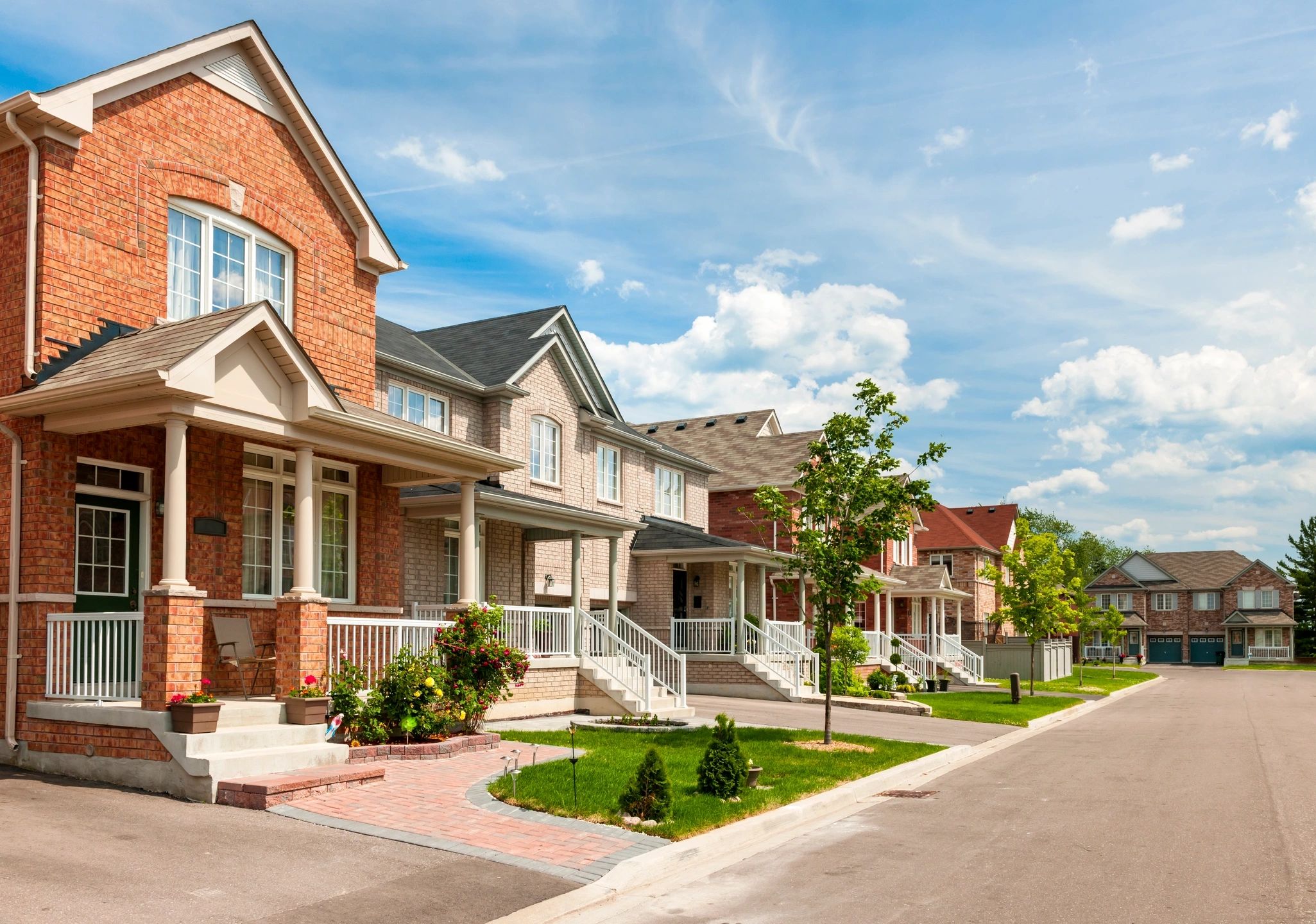
Planning exterior home improvements requires a broader perspective than interior projects because exterior upgrades affect not only comfort and durability, but also weather resistance, structural protection, and overall property value. The exterior of a home is constantly exposed to sun, wind, rain, snow, and temperature extremes, making careful planning essential to ensure improvements perform as intended over time.
The first step in planning exterior improvements is evaluating the home’s current condition. This includes inspecting siding, roofing, windows, doors, decks, walkways, drainage systems, and exterior finishes. Signs such as peeling paint, cracked siding, loose shingles, water stains, or uneven pavement often indicate underlying issues that should be addressed before cosmetic upgrades are considered.
Planning should begin with prioritization. Some exterior improvements are preventative or protective in nature, such as roofing repairs, drainage corrections, or siding replacement. Others are aesthetic, focusing on appearance and curb appeal. Addressing structural and weather-related concerns first helps prevent future damage and ensures cosmetic improvements are not compromised.
Climate and local weather patterns play a significant role in exterior planning. Homes in regions with heavy rainfall may need drainage and grading improvements, while homes in hot or sunny climates may benefit from reflective roofing materials or UV-resistant finishes. Planning improvements that match environmental demands increases longevity and performance.
Budget planning is especially important for exterior projects, as costs can escalate quickly due to material pricing, labor intensity, and equipment requirements. Exterior work often involves scaffolding, heavy materials, and specialized trades. Building a realistic budget with contingency funds helps avoid incomplete projects or rushed decisions.
Timing and sequencing are also critical. Exterior improvements are often weather-dependent, and certain projects must occur in a specific order. For example, drainage issues should be corrected before installing new siding, and roofing upgrades may need to be completed before exterior paint or trim work. Coordinated planning prevents rework and wasted effort.
Permits and code requirements should be considered early. Many exterior projects require permits, especially those involving roofing, structural changes, decks, or walkways. Planning for inspections and approvals prevents delays and compliance issues.
Finally, planning should consider long-term maintenance and future upgrades. Selecting durable materials, neutral finishes, and compatible systems ensures exterior improvements remain effective and attractive for years to come.
Thoughtful planning lays the foundation for successful exterior home improvements that protect the home, enhance appearance, and support long-term value.